Advertisements
PictureThis

The real problem: you don't know what kind of plant you have (and that's why you're watering it wrong)
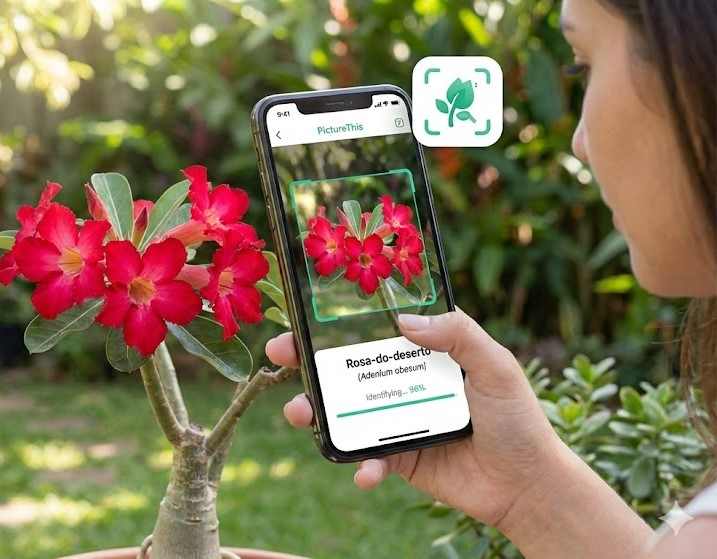
If you don't identify the species, it's nearly impossible to get the watering, light, and substrate right. You'll end up with yellow leaves, burnt tips, or rotten roots. PictureThis It overcomes that barrier in seconds: you point the camera, get the plant's name, and a practical summary of care. Furthermore, when something goes wrong, the app suggests possible causes with visual examples: mold, overwatering, lack of light, common pests. This guide transforms that "quick help" into a repeatable method for keep alive your plants and enjoy the process.
Advertisements
Three-step system to stop guessing
1) Identify correctly: Clear photo of a leaf, flower, or trunk. Check the scientific name suggested by PictureThis and review 2–3 reference photos to confirm.
2) Adjust basic care: light (direct/indirect), watering (substrate dry to the touch or always slightly moist), temperature and humidity.
3) Monitor symptoms: Use the app's photo history to compare progress; if you notice worsening, consult the visual diagnosis and correct with small interventions, not drastic changes.
Advertisements
Classic mistakes (and how to avoid them)
Fixed schedule irrigation: Each species and each climate is different. Use the finger method: 2–3 cm into the substrate; if it's dry, water.
Insufficient light: Many "indoor" plants need bright, indirect light.
Pot without drainage: It almost always ends in damaged roots.
Fertilizer as a “magic cure”: If the plant is stressed by water or light, the fertilizer may make things worse.
Visual diagnosis: learn to “read” the page
Brown tips: excess salts, very dry air, or irregular watering.
Uniform yellow leaves: excess water or confined root.
Irregular spots with a halo: possible fungus; improves ventilation and prevents leaves from getting wet at night.
Deformations and sticky spots: Suspect pests (aphids, mealybugs); check the underside and act early.
Minimum rescue kit
Disinfected shears, cinnamon or activated charcoal for cuts, mild garden fungicide, potassium soap or a mild homemade pest control mix, perlite for aerating potting mix, pots with drainage holes, a saucer, and a simple moisture meter (optional). With this set, the 80% of common problems has a solution.
10-minute weekly routine
Check for 5 signs: stem firmness, leaf color and shine, substrate moisture, emerging roots, and presence of insects. Take a follow-up photo if symptoms were present. Adjust watering and turn the flowerpot A quarter turn for balanced growth. Micro-example:Activate notifications and save access."so as not to forget checkups."
Privacy and home security
Avoid photographing addresses or documents next to the plant. If you share results on social media, crop the background. Keep fertilizers and other products out of reach of children and pets. Opt for gentle solutions over harsh chemicals.