Advertisements
Every flu season brings crowded classrooms, offices with sick leave and travel that gets complicated. Preparing is worth more than worrying. With a clear plan, up-to-date vaccination, constant hygiene and solid defenses, you reduce risks without changing your entire routine.
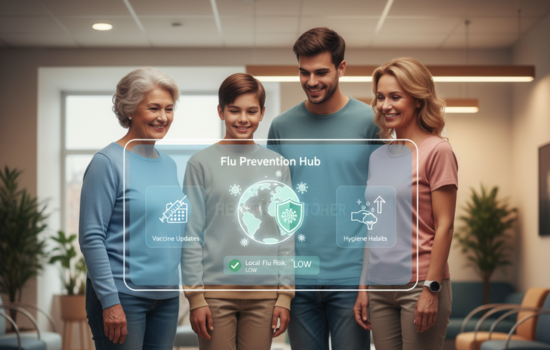
Prevention works when it is realistic. Hand-washing reminders, symptom tracking, and reliable warnings about peaks in viral circulation help decide in time. A flu app well configured, it orders the day without overwhelming notifications.
Advertisements
If you live with children, the elderly or people with chronic conditions, being ahead of time is key. A visible vaccination schedule, a hygiene kit at hand and a rest corner at home cut silent contagions and accelerate recovery.
Technology is no substitute for professionals. A responsible symptom checker guides self-care and warning signs. If something doesn't add up or worsens, an in-person or telemedicine consultation is the next sensible step for your health.
Advertisements
See also
- Boost your vitality: real energy, no gimmicks
- Boost your vitality: real energy, no gimmicks
- Boost your vitality: real energy, no gimmicks
- The secret of vitality tea
- Learn to embroider with free apps
Triple plan: vaccine, hygiene and sustainable defenses
The first pillar is the annual flu vaccination. Scheduling it at the beginning of the season reduces the probability of serious illnesses and sick days. Write down date, place and requirements; keep the voucher in your app to avoid misplacement and duplication. If you work in crowded environments or travel frequently, earlier dosing may be prudent. It does not eliminate the risk to 100%, but it does decrease the severity and speed recovery.
The second pillar is the constant hygiene. Wash your hands for 20 seconds when you get home, before eating and after public transportation. If there is no sink, carry alcohol gel and avoid touching your face. Ventilate rooms and clean high-touch surfaces (cell phones, handles, keyboards). These are small decisions that cut transmission chains.
The third pillar is to strengthen daily defensesSleep 7-9 hours, hydrate, move regularly and prioritize real food. Consistency beats any "shortcut". Common sense note: these recommendations are not a substitute for professional consultation.
Flu Symptoms: From First Signs to Action
Influenza usually begins abruptly with fever, body pain, chills, dry cough, sore throat and severe fatigue. Unlike a cold, which is usually milder, the flu leaves you miserable in one or two days and can last for a week. In the beginning, rest, hydrate, control your temperature and reduce exposures to take care of your surroundings.
A symptom checker The tool orders the essentials: how you feel, since when, recent trips, contact with sick people and whether you belong to risk groups (pregnancy, >65 years old, heart disease, asthma, diabetes). The tool suggests self-care and when to consult by telemedicine or in person. It does not give definitive diagnoses, but it gives you a roadmap for the next step.
Seek immediate attention if there is shortness of breath, chest pain, confusion, bluish lips or face, persistent high fever, or signs of dehydration. In young children, any rapid worsening warrants urgent evaluation. Keeping a brief record in the app facilitates more accurate clinical decisions.
Practical prevention at home, work and travel
The flu prevention live in everyday details. At home, create visible "hygiene points": soap, towels and alcohol gel in the entryway, kitchen and bathroom. Leave cell phone and keys near the door to clean them upon arrival. If someone has symptoms, use individual cutlery, ventilate more often and prioritize rest.
At work or school, favor ventilated spaces and short meetings. Alternate virtual meetings in weeks of high traffic. On public transport, avoid touching your face and wash your hands when getting off. When traveling, take a thermometer, tissues and your usual analgesic; planning for health costs less than improvising sickness.
The masks help in peaks of contagion or if you live with vulnerable people. Use them tightly and as a temporary tool. It is not forever or everywhere; it is like an umbrella when it rains: useful at the right time.
Your flu app as a dashboard
A flu application well designed does not cure, but organized by. Activate vaccination and hand washing reminders at feasible times (morning when leaving, noon before lunch, evening when returning). Set up real-time alerts on local outbreaks and official campaigns. Less is more: relevant and concise notifications.
Take advantage of the respiratory historyRecord onset date, dominant symptoms and possible triggers (travel, overnight stays, intense cold). With this pattern, you will know what measures to anticipate in the following season. If you enjoy learning, save educational resources with clear science and without scaremongering; they will serve you just when the doubt arises, not to read everything at once.
When it's your turn to decide, open the symptom checker and answer honestly. You will get self-care recommendations and warning signs to consult. If you are on the move, activate outbreak notifications by region; this way you can adjust meetings, routes and visits with criteria.
Wearables and tracking: customize without obsession
The wearable devices add up when you look at trends, not every minute. Watch sleep, resting heart rate and daily activity. If the graph calls for calm - short sleep, high fatigue - lower the intensity and go to bed earlier. Check once a day; prevention works best with a cool head.
Personalization starts simple: choose two or three metrics you understand and link them to specific decisions. For example, if you sleep less than usual two nights in a row, reduce intense workouts and prioritize hydration. If your resting frequency goes up without explanation, plan a lighter day and keep your spaces ventilated.
Integrates everything in the flu appYour notes, goals and settings. The goal is for technology to take the mental load off you, not to add stress. With a couple of well-chosen indicators, you will avoid improvisations and arrive at each week with more energy margin.
Telemedicine and the time to consult
Consult if symptoms do not improve within 48-72 hours, if they worsen or if you belong to higher risk groups. The telemedicine helps to assess warning signs, adjust analgesics and decide if an in-person visit is needed. Carry in the app your recordThe patient's symptoms: fever peaks, onset of symptoms, medication taken and previous conditions. With clear data, the consultation is more agile and accurate.
Avoid self-medication antibioticsThey are not useful against viruses and can generate unwanted effects. Keep hydration and light food. If you are asked for tests, save results and dates in the app; you will have a useful timeline for future controls.
When you feel better, rejoin gradually. If fatigue persists, reevaluate with your practitioner. And if you have not yet installed a flu app reliable, this is a good time: it will accompany you with reminders, follow-up and resources, just when you need it most.